
Bloqueie apps.
Salte os Atalhos.
O Fella bloqueia apps que distraem sem lhe pedir para construir uma automação nos Atalhos. Escolha as apps, defina uma sessão ou rotina e deixe o Tempo de Ecrã tratar do resto.
O Fella bloqueia apps que distraem sem lhe pedir para construir uma automação nos Atalhos. Escolha as apps, defina uma sessão ou rotina e deixe o Tempo de Ecrã tratar do resto.

Não. O fluxo de bloqueio do Fella não depende dos Atalhos da Apple. Não precisa de criar uma automação pessoal, escolher um gatilho, montar ações ou manter um fluxo separado na app Atalhos.
Tudo o que é necessário para o bloqueio está no Fella e no sistema Tempo de Ecrã da Apple. O Fella solicita permissão de Tempo de Ecrã, abre o seletor de apps da Apple, armazena a sua configuração de bloqueio e usa as frameworks ManagedSettings e DeviceActivity do sistema para a aplicar.
Os Atalhos continuam disponíveis para tudo o resto. O Fella não desativa nem substitui a app de automação da Apple. Quaisquer Atalhos não relacionados que já usa podem permanecer separados da sua configuração de bloqueio de apps.
Uma automação personalizada pede-lhe para desenhar o fluxo de trabalho. Pode precisar de decidir que gatilho o inicia, que ações são executadas, o que acontece no fim e como editar a sequência depois. Essa flexibilidade é valiosa quando quer um sistema personalizado; é sobrecarga quando só quer apps selecionadas bloqueadas.
A configuração está dividida por interfaces. Um método de bloqueio construído à volta dos Atalhos pode enviá-lo entre uma app, o editor de Atalhos, definições de automação e permissões do sistema. O Fella mantém a seleção de apps, o tempo de sessão, rotinas e acesso de emergência dentro de um único fluxo de produto dedicado.
Personalizado não significa mau ou universalmente pouco fiável. Os Atalhos são uma plataforma de automação capaz, e algumas pessoas preferem construir os seus próprios fluxos. O Fella é para quem prefere configurar o resultado em vez de construir a automação.
FamilyControls trata da permissão e da seleção de apps. O Fella pede autorização individual de Tempo de Ecrã e apresenta o seletor FamilyActivity da Apple para que possa escolher as apps ou categorias que quer restringir.
O ManagedSettings aplica o escudo do sistema. Durante uma sessão ativa, o Fella entrega ao iOS a regra de apps selecionadas. Quando tenta abrir uma dessas apps, o iPhone mostra o escudo do Fella em vez de depender de um Atalho para abrir ou fechar algo.
O DeviceActivity trata do tempo. O Fella regista intervalos manuais e recorrentes no sistema DeviceActivity da Apple. A sua extensão de monitorização reconcilia as fontes de bloqueio ativas quando esses intervalos começam e terminam.
| Passo | O que faz |
|---|---|
| 1 | Transfira e abra o Fella |
| 2 | Autorize o Tempo de Ecrã da Apple |
| 3 | Escolha apps ou categorias que distraem no seletor do sistema |
| 4 | Selecione uma duração ou crie uma rotina recorrente |
| 5 | Comece a bloquear — sem abrir a app Atalhos |
Não há passo oculto de construção de automação. O projeto iOS atual não contém nenhuma ação App Intent, SiriKit ou Atalhos no caminho de bloqueio. A configuração principal é a seleção de apps mais o tempo, tudo apresentado dentro do Fella.
Continua a aprovar a permissão necessária da Apple. Uma configuração sem Atalhos não dispensa permissões. O iOS tem de autorizar o FamilyControls antes de o Fella poder proteger as apps selecionadas. Consulte como funciona o Fella desde a seleção até ao bloqueio automático.
Inicie a sessão dentro do Fella. Escolha a duração e comece. O Fella armazena as datas da sessão, regista o intervalo DeviceActivity e aplica o escudo de apps selecionadas sem chamar um Atalho.
A Apple define o intervalo mínimo. As sessões manuais começam nos 15 minutos porque o DeviceActivity rejeita intervalos de monitorização mais curtos. O Fella suporta sessões mais longas para um bloco de trabalho, noite, dia inteiro ou fim de semana.
O bloqueio termina com a sessão. O Fella reconcilia as suas fontes de bloqueio ativas quando o intervalo termina, para que uma rotina sobreposta possa permanecer ativa mesmo quando a sessão manual termina.
As rotinas repetem-se nos dias e horas que escolher. O Fella guarda a rotina e regista o seu horário no DeviceActivity. O sistema da Apple executa então a extensão de monitorização do Fella quando o intervalo começa e termina.
Não é necessária automação pessoal. Não precisa de um Atalho de hora do dia, ações separadas de início e fim ou uma automação para cada dia da semana. A própria rotina contém as apps selecionadas e o horário recorrente.
Utilize o guia detalhado para dúvidas sobre horários. Veja como bloquear apps em determinadas horas no iPhone, incluindo durante a noite e horários recorrentes.
Cada sessão ativa recebe um desbloqueio de emergência de cinco minutos. Use-o para uma mensagem, código, detalhe de viagem ou outra tarefa que não pode esperar. O Fella remove o escudo temporariamente e inicia a janela fixa de cinco minutos.
As apps voltam a ficar bloqueadas automaticamente. O Fella regista o intervalo de emergência no DeviceActivity e a extensão de monitorização reaplica a regra atual quando a janela termina. A app principal também reconcilia o estado de desbloqueio expirado quando é executada.
Não há Atalho para acionar ou repor. A permissão pertence à sessão de bloqueio atual. Não acumula e não está disponível um segundo desbloqueio nessa sessão. Leia as regras exatas do desbloqueio de emergência.
| Decisão | Abordagem com Atalhos | Abordagem Tempo de Ecrã do Fella |
|---|---|---|
| Configuração inicial | Crie ou importe uma automação e configure as suas ações | Escolha apps e horários dentro do Fella |
| Modelo de gatilho | Depende da automação que criar | Sessão manual ou rotina recorrente com DeviceActivity |
| Mecanismo de bloqueio | Depende da app e das ações do Atalho envolvidas | O ManagedSettings aplica o escudo do sistema da Apple |
| Edição de horários | Edite a automação pessoal | Edite a rotina dentro do Fella |
| Acesso de emergência | Depende do fluxo personalizado | Um desbloqueio fixo de cinco minutos por sessão ativa |
| Flexibilidade | Automação ampla e de uso geral | Bloqueio focado de apps selecionadas |
| Ideal para | Quem quer construir um fluxo personalizado | Quem quer que o bloqueador trate do fluxo |
A diferença é quem trata da configuração. Os Atalhos dão-lhe blocos de construção. O Fella dá-lhe um bloqueador de apps para iPhone dedicado com seleção, horários, escudos e acesso de emergência controlado já ligados.
Ambas as abordagens podem ser legítimas. Um Atalho personalizado pode ser ideal se gosta de automação e precisa de gatilhos invulgares. O Fella é a escolha mais simples quando quer escolher apps, definir a hora e avançar.
O Fella mantém a tarefa restrita. Bloqueia apps selecionadas que distraem em sessões manuais ou agendadas, fornece uma janela de emergência controlada e restaura automaticamente o bloqueio. Não substitui todas as funcionalidades dos Atalhos ou do Tempo de Ecrã.
As suas ferramentas úteis continuam suas. Os Atalhos podem continuar a executar automações não relacionadas, e as apps que não selecionar permanecem disponíveis. Se os limites nativos da Apple não corresponderam ao comportamento que pretende, compare o Fella com a abordagem mais ampla do Tempo de Ecrã.
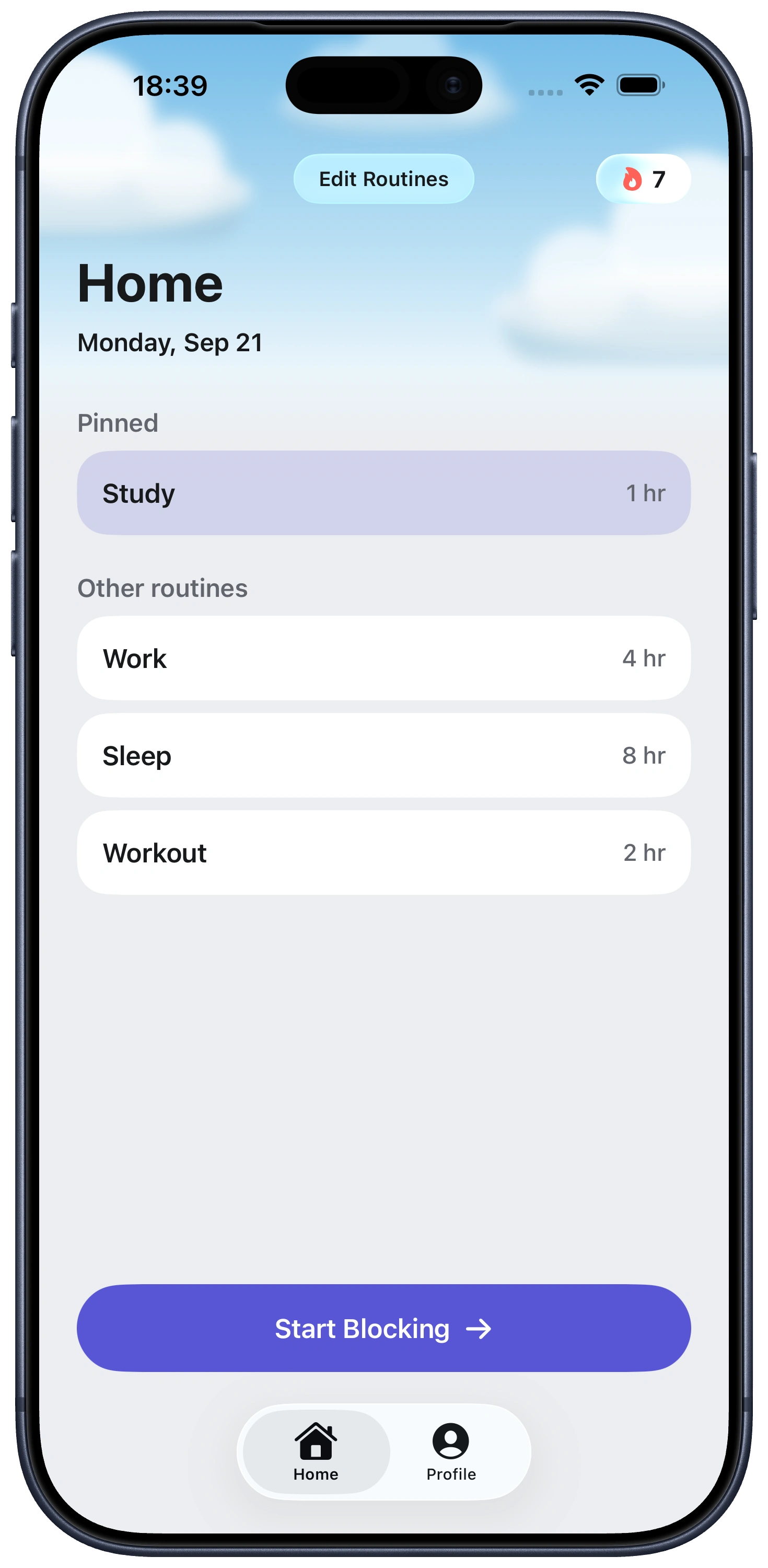
Everything you need to stay focused, right from Home.
Não. O fluxo de bloqueio do Fella não tem dependência de Atalhos da Apple, App Intents ou automação Siri. Seleção, sessões, horários e desbloqueio de emergência são tratados dentro do Fella com as frameworks de Tempo de Ecrã da Apple.
O Fella solicita autorização de Tempo de Ecrã, deixa-o escolher apps com o seletor da Apple, aplica escudos com ManagedSettings e agenda intervalos com DeviceActivity.
Não. Configura sessões manuais e rotinas recorrentes dentro do Fella. Não precisa de criar gatilhos ou ações na app Atalhos.
Sim. As rotinas do Fella registam intervalos recorrentes no sistema DeviceActivity da Apple. Escolha os dias, horas e apps selecionadas dentro do Fella.
Sim. Inicie uma sessão manual dentro do Fella e escolha quanto tempo dura. A Apple define um mínimo de 15 minutos para o intervalo de monitorização do Tempo de Ecrã.
Não. Cada sessão ativa inclui um desbloqueio de emergência de cinco minutos. O Fella remove temporariamente o escudo e reaplica-o automaticamente quando os cinco minutos terminam.
Não necessariamente. Os Atalhos são uma ferramenta de automação flexível e podem adequar-se a quem gosta de construir fluxos personalizados. O Fella é para quem prefere uma interface dedicada a bloqueio.
Sim. O Fella não substitui nem desativa a app Atalhos. As automações existentes podem permanecer separadas do bloqueio com Tempo de Ecrã do Fella.
Não. O Fella usa as frameworks de Tempo de Ecrã da Apple para uma tarefa focada: bloqueio de apps selecionadas através de sessões manuais ou agendadas com um desbloqueio de emergência controlado.