Dopamine Detox
Fewer hits.
More room to feel bored.
You can't actually detox from dopamine, but the real concept behind the trend, removing the trigger, works. Fella applies it every day, not just for one weekend.

An honest answer first: you cannot detox from dopamine. Dopamine is essential, involved in movement, motivation, and sleep, not just pleasure, and it isn't something you drain or reset by avoiding your phone for a day. The viral version of this trend is built on a misunderstanding of what dopamine does.
What dopamine actually tracks is anticipation, not the reward itself. It's the "wanting" signal that drives you toward something, more than the "liking" you feel once you have it, which is why the urge to check a phone can feel stronger than the payoff of actually checking it.
There is a real, useful idea underneath the trend. It's just not the one that went viral.
Where the term actually came from
"Dopamine detox" was coined in 2019 by Dr. Cameron Sepah as a catchy name for stimulus control, a technique from Cognitive Behavioral Therapy. His original concept targeted six categories of impulsive behavior: emotional eating, internet and gaming, gambling and shopping, compulsive sexual behavior, thrill-seeking, and recreational drug use.
The clinical version is about removing access to a trigger, not avoiding all stimulation. As the idea spread online, it was simplified into a more extreme, less scientifically coherent version: a full day of avoiding anything pleasurable, framed as a biochemical reset. That version is what most people encounter now.
Why phones are especially hard to "detox" from
Notifications and likes arrive on an unpredictable schedule. Research on reward processing shows this kind of variable-ratio reinforcement, where you don't know exactly when the next reward is coming, produces the strongest, most persistent behavior of any reward schedule, and it's also the hardest to unlearn.
Repetition sensitizes the response over time. With repeated exposure, the brain's reward circuitry can become more reactive to the cues associated with checking a phone, not the actual content, which is why the pull can persist even when the app itself has stopped feeling enjoyable.
The popular protocols, and what's actually useful in them
The weekend approach: a full day or two away from phones, TV, and stimulation. It doesn't reset anything chemically, but it does remove the trigger for a short window, which can make the automatic checking noticeably less frequent by the end of it.
The gradual approach: no phone in the first and last hour of the day, limited scrolling on weekdays. This is closer to the original stimulus-control idea, since it narrows access rather than eliminating it entirely for a single dramatic reset.
Both fall apart the same way: they end. Research on abstinence-based resets consistently finds old habits return afterward unless something replaces the routine. A single detox day doesn't hold unless the trigger stays removed.
| App | Approach | Best for |
|---|---|---|
| Fella | Apps blocked by default, every day | Permanent stimulus control, not a single reset day |
| Opal | Scheduled hard-blocking sessions | Defined focus windows |
| BeTimeful | Removes specific features like infinite feeds | Keeping an app while cutting its most compulsive part |
| AppBlock | Blocking with a Strict Mode option | Budget-friendly app and content blocking |
Where Fella fits
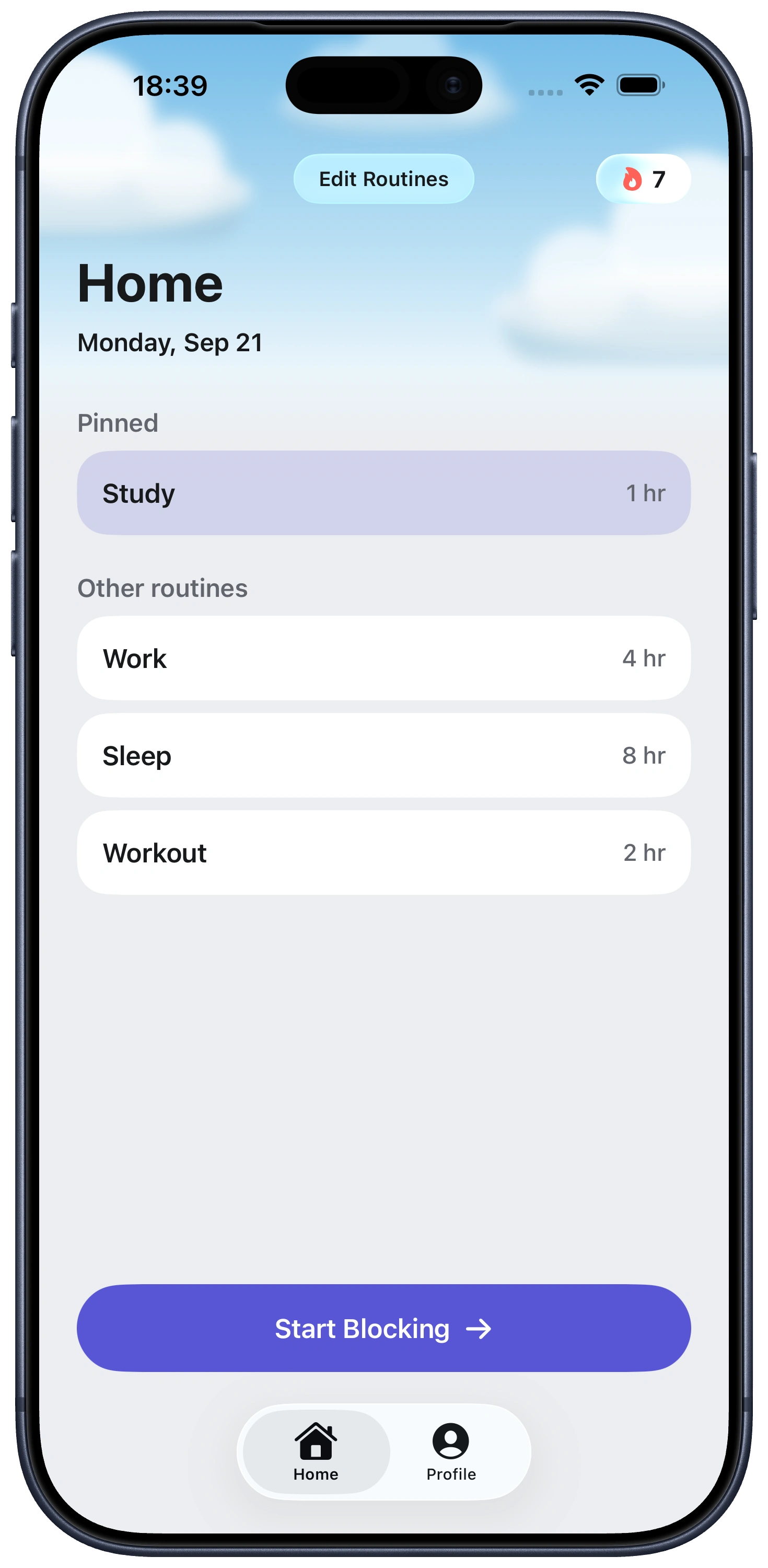
Fella isn't a one-day reset. The apps you choose stay blocked every day by default, which is closer to the original stimulus-control idea than a weekend of abstinence that ends and lets the same trigger back in.
One 5-minute emergency unlock a day keeps it livable. The point isn't total avoidance forever, it's removing the easy, everyday access that keeps the loop running, while still allowing for something genuinely necessary.
Dopamine detox FAQ
No. Dopamine is a naturally occurring chemical involved in movement, motivation, and sleep, not just pleasure, and it can't be drained or reset by avoiding stimulation for a day. The viral "reset" framing is a myth built on a misunderstanding of what dopamine does.
The term was coined in 2019 by Dr. Cameron Sepah as a catchy name for stimulus control, a technique from Cognitive Behavioral Therapy aimed at six impulsive behaviors, including emotional eating, internet and gaming, and gambling. The clinical nuance was mostly lost as the idea spread online.
A day or weekend of abstinence doesn't reset anything biologically, and research suggests old habits typically return afterward unless new routines replace them. The temporary break can still be useful as a reset of behavior and attention, just not as a literal chemical reset.
Phones deliver unpredictable rewards, like likes and notifications, on a variable-ratio schedule, which research shows is the reinforcement pattern most resistant to being unlearned. That unpredictability is a major reason phone habits are harder to break than more predictable routines.
Stimulus control, the original concept, means removing or limiting access to the trigger for a compulsive behavior. A dopamine detox, as popularized online, usually implies avoiding all stimulation to somehow reset your brain chemistry, which isn't how dopamine actually works.
Apps branded around dopamine detox take different approaches: some, like Opal and Fella, block distracting apps outright, while others, like BeTimeful, try to remove specific addictive features like infinite feeds instead of blocking the app entirely.
Fella doesn't rely on a single day of abstinence. Chosen apps stay blocked every day by default, which is closer to permanent stimulus control than a weekend reset that ends and lets the same habit return.
See also a phone addiction app, the app blocker for ADHD, and the digital minimalism guide.