Block Amazon Shopping
One tap to buy
is the whole problem.
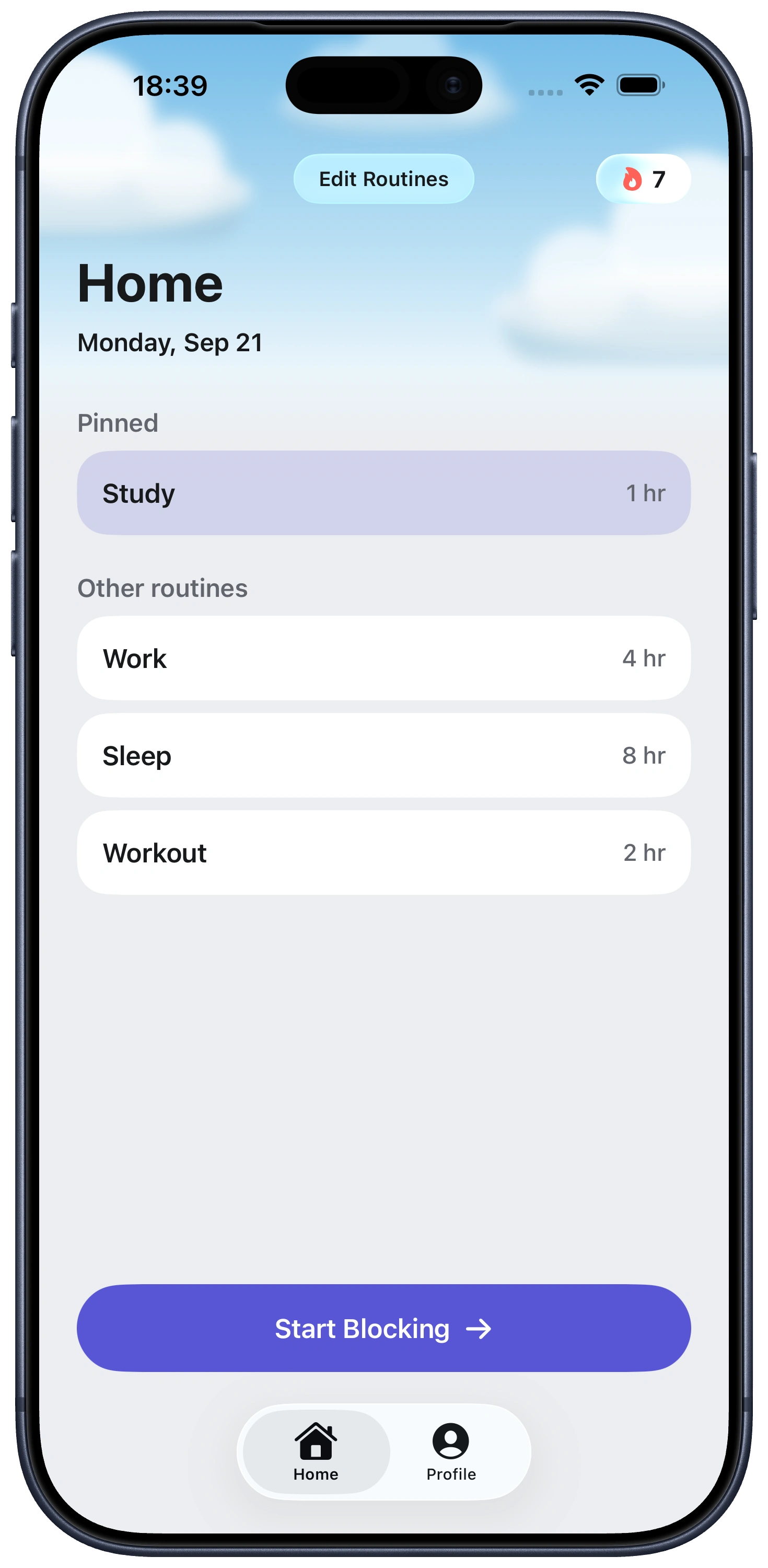
Amazon's 1-Click ordering was built to erase the gap between wanting something and owning it. Fella blocks the app by default and gives you one 5-minute unlock a day, so that gap comes back.
Amazon didn't invent impulse buying, but it removed nearly every obstacle to it. 1-Click ordering skips the cart, skips the review screen, skips the pause where you might reconsider. Research on the feature found it increased impulse conversion by roughly 34%, and more broadly, one-click checkout has been shown to lift conversion 7% to 35% depending on how it's implemented. The fewer steps a purchase takes, the less you remember making it.
Layered on top of that speed is a recommendation engine built specifically to surface things you didn't know you wanted. Around 49% of consumers report buying something they hadn't planned on after seeing it recommended, and Amazon's version of that engine runs on your entire purchase history, not a single session. Impulse purchase rates across e-commerce overall have climbed to 91% of active shoppers, with mobile buyers 34% more likely than desktop users to buy something unplanned.
Why removing friction removes your judgment too
Every extra step in a purchase, adding to cart, reviewing the order, confirming payment, is also a moment your brain can use to reconsider. Studies on payment friction found that people under one-step checkout conditions had measurably worse recall of their own recent spending than people who went through a multi-step process. Amazon's 1-Click flow is designed around exactly that gap: fewer steps, less memory of the purchase, easier to do again tomorrow.
This isn't a flaw in the design. It's the design working as intended. A faster checkout is a better checkout by every metric Amazon optimizes for, revenue, conversion rate, cart abandonment. None of those metrics account for whether you meant to buy the thing in the first place.
The recommendation feed is built to feel like your own idea
"Customers who bought this also bought," "Inspired by your browsing history," "Frequently bought together," these aren't neutral suggestions, they're a feed tuned on your specific behavior to surface things that feel personally relevant rather than like an ad. That personalization is exactly why it works: a generic ad is easy to dismiss, but a recommendation that seems to already know what you'd like doesn't register the same way.
Opening the app to check an order status or read a review can turn into ten minutes of browsing recommendations without any single moment feeling like a decision to shop. By the time something's in the cart, it can genuinely feel like it was your idea, not the algorithm's.
Why deleting a card or the app itself falls short
Removing a saved payment method adds a small amount of friction back, but Amazon still autofills saved cards and one-tap Amazon Pay in most browsers, and re-entering a card takes under a minute. It slows down the very last step. It does nothing about the browsing, the recommendation scrolling, or the wishlist checking that happens well before that step.
Deleting the app entirely works until the next time you need to check a delivery or return something, at which point it's a thirty-second reinstall away. Fella blocks Amazon at the iPhone level using Apple's Screen Time framework, so the app stays locked by default without you having to remember to remove it. One 5-minute emergency unlock a day covers a genuine, planned order, and it locks itself back up automatically when the window ends.
Setting up Amazon blocking with Fella
1. Add Amazon Shopping to your blocked apps. Include any other shopping apps you browse the same reflexive way.
2. Let the block hold by default. No toggle to switch off for "just checking a price."
3. Use the emergency unlock for a planned purchase. One 5-minute window a day is enough to check an order or buy something you already decided on.
4. Amazon locks again automatically. You don't have to remember to close the tab or put the phone down.
Block Amazon FAQ
You can use Apple's Screen Time app limits, or use Fella to keep the Amazon Shopping app blocked by default with one emergency 5-minute unlock per day.
Yes. Fella blocks the Amazon Shopping app on your iPhone. It does not close your account, cancel Prime, or touch existing orders.
Research on Amazon's 1-Click ordering found it increased impulse conversion by roughly 34%. Removing steps between wanting something and buying it also reduces how well people recall recent spending, which makes impulse purchases easier to repeat.
Fella gives you one emergency 5-minute unlock per day, enough time to place a genuine, planned order. It is not designed for browsing recommendations.
Removing a card slows down checkout but doesn't stop the browsing, recommendation scrolling, or wishlist checking that usually comes before the purchase. Blocking the app with Fella removes the trigger itself, not just the last step.
Read the full shopping app blocker guide, or block other shopping apps like Temu, Shein, and eBay.