Block Robinhood
Checking your portfolio
ten times an hour isn't investing.
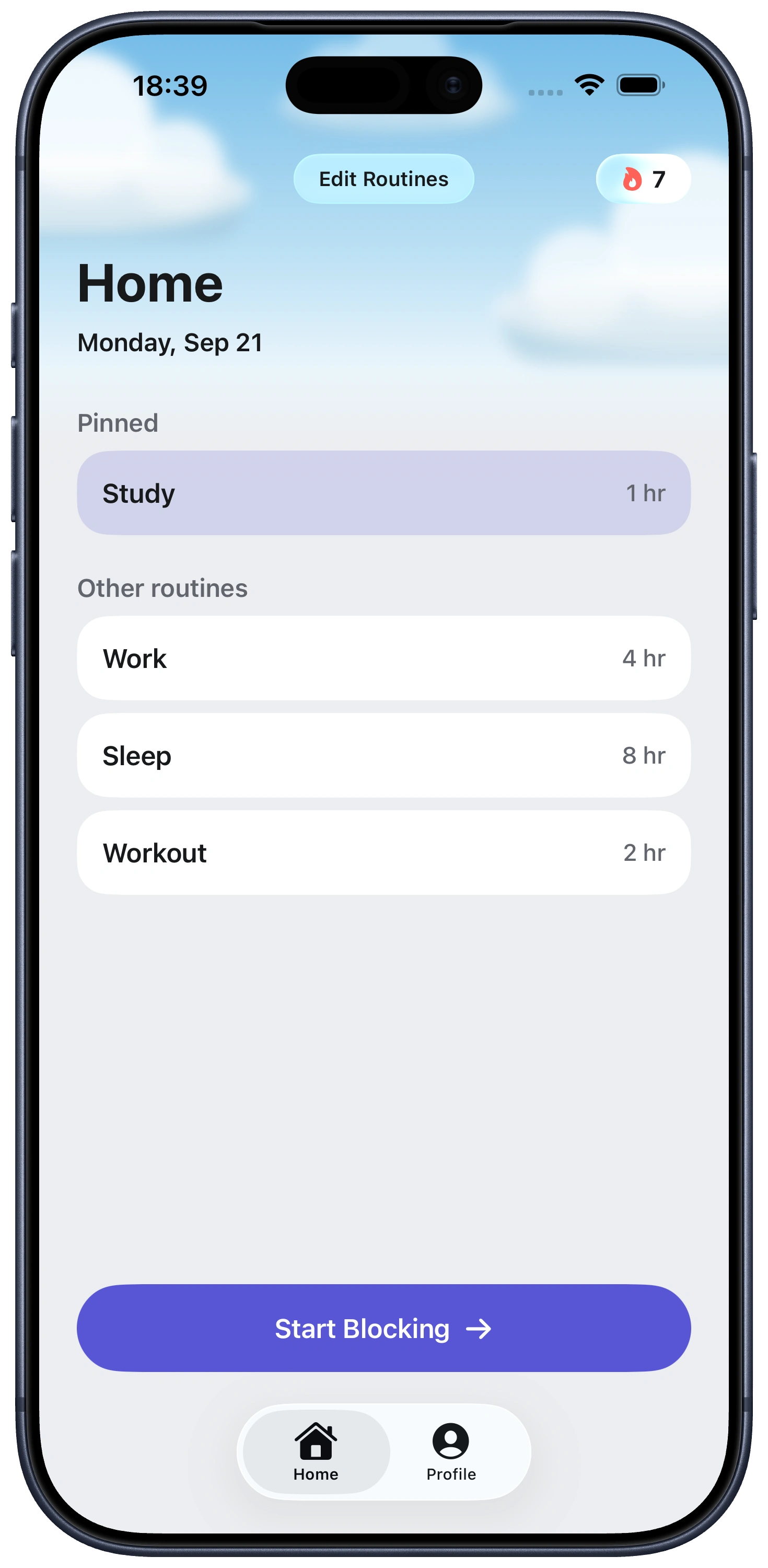
Robinhood was built with the same behavioral playbook as a casino app: one-click trades, confetti, lottery-style free stock. Fella blocks it by default and gives you one 5-minute unlock a day, so the reflex has nowhere to go.
Robinhood's early growth was built on removing every bit of friction between an impulse and a trade. One-click orders, no commissions, and a free stock, awarded like a scratch ticket, for signing up. Until 2021, successful trades and milestones triggered a burst of on-screen confetti, a piece of gamified feedback the company eventually removed after Massachusetts securities regulators cited it as an example of design built to encourage frequent, risk-laden trading among inexperienced investors.
Academic researchers have described the psychological effect in blunt terms: the free-stock lottery mechanic and one-click trading can trigger a dopamine response similar to what's seen in gambling. That doesn't mean investing itself is the problem. It means an app can be engineered so that checking it, and trading on impulse when you do, feels rewarding independent of whether the trade itself was a good idea.
What "gamified investing" actually means
Gamification means borrowing game design mechanics, rewards, milestones, celebratory animation, to shape behavior in a product that isn't a game. Robinhood's confetti was a textbook example: a small, immediate, visually rewarding response to an action, timed to reinforce whatever you just did, whether or not the trade was actually a good decision. Removing the animation didn't remove the underlying design of one-tap trades and constant portfolio visibility, it just removed the most visible symbol of it.
The free stock offered for signing up or referring a friend works the same way a scratch ticket does. You don't know what you're getting until you open it, and that uncertainty, small as the stakes usually are, is a well-documented driver of repeat engagement in behavioral research on variable rewards.
Why checking the app is its own habit, separate from trading
Most Robinhood opens probably aren't trades. They're checks. A quick look at a portfolio's daily change, a stock that's up, a position that's down. Each check delivers a small emotional hit either way, and because the app is always one tap from the home screen, there's no natural gap between the urge to look and the ability to act on it.
That repeated checking is where a lot of the actual harm happens, not just in the trades themselves. Constant portfolio checking is associated with more anxiety and worse decision-making under the self-determination framework researchers also use to study social media compulsion: reflexive checking doesn't restore any sense of control, it just answers the urge for a moment before it comes back.
Why in-app changes haven't fixed the underlying pull
Robinhood removed the confetti in 2021 amid regulatory scrutiny, but the core mechanics, one-click trades, real-time price visibility, push notifications on price moves, remained largely intact. Regulators in multiple jurisdictions have continued to examine gamified trading design since, but the underlying question for any individual user is the same one it was before: does the app make it easy to trade on impulse, not whether it still shows you confetti when you do.
None of that is a reason to feel bad about using Robinhood or investing generally. It's a reason to treat the app itself as something worth controlling access to, the same way you'd treat any product built to reward a reflex rather than a decision.
Setting up Robinhood blocking with Fella
1. Add Robinhood to your blocked apps. Include any other trading or brokerage apps you check compulsively at the same time.
2. Let the block hold through the trading day. No toggle to switch off when the market opens or a stock starts moving.
3. Use the emergency unlock for a real, time-sensitive account action. One 5-minute window a day, not a price check.
4. Robinhood locks again automatically. You don't have to remember to close it, and there's no session to restart early.
Block Robinhood FAQ
You can use Apple's Screen Time app limits, or use Fella to keep Robinhood blocked by default with one emergency 5-minute unlock per day.
Yes. Fella blocks the Robinhood app on your iPhone. It does not close your account, sell your positions, or touch your holdings or cash balance.
Not always in mechanism. Regulators and researchers have flagged Robinhood's gamified design, one-click trades, confetti animations, and lottery-style free stock grants, as producing dopamine-driven checking behavior comparable to what's seen in gambling apps, independent of whether the underlying asset is a stock or a bet.
Fella gives you one emergency 5-minute unlock per day. When that window ends, Robinhood locks again automatically. Genuinely time-sensitive account actions can also be handled through a browser on another device.
Deleting the app doesn't close your brokerage account or move your holdings, and reinstalling it takes under a minute. Blocking with Fella keeps the account intact while removing the easy, reflexive open that drives most compulsive checking.
See the full gambling app blocker guide, or read about the psychology behind it in the dopamine loop.